
In the Ecosocial Education strand, we are working with experiences, tools and strategies for bringing ecosocial education into schools – particularly public schools ranging from primary to secondary as well as related afterschool contexts. Off the back of a year of online fora, we’ve built a translocal network of agents that are working away on this from different positions: as teachers, teacher trainers, parents, public servants, researchers and activists. We’re currently working on producing a guidebook on ways into Ecosocial Education for various language and local-regional contexts.
Through our work, we’ve established local nodes in a few core regions within and beyond Europe: the Eastern Meditteranean (Greece, Turkey, Macedonia), Iberian Peninsula (Catalunya, Madrid and La Llosa), British Isles (UK/Ireland) and German-speaking countries (Austria, Germany). We work with collectives and initiatives such as Edualter (CAT/ES), Mesopotamia Solidarity School (GR), Climate Justice Short Course (IR), Teachers for Future (AT) and more. We’re co-funded by, and cooperating with, the Centre for Applied Ecological Thinking (CAPE) at Copenhagen University.
explore our work:
-
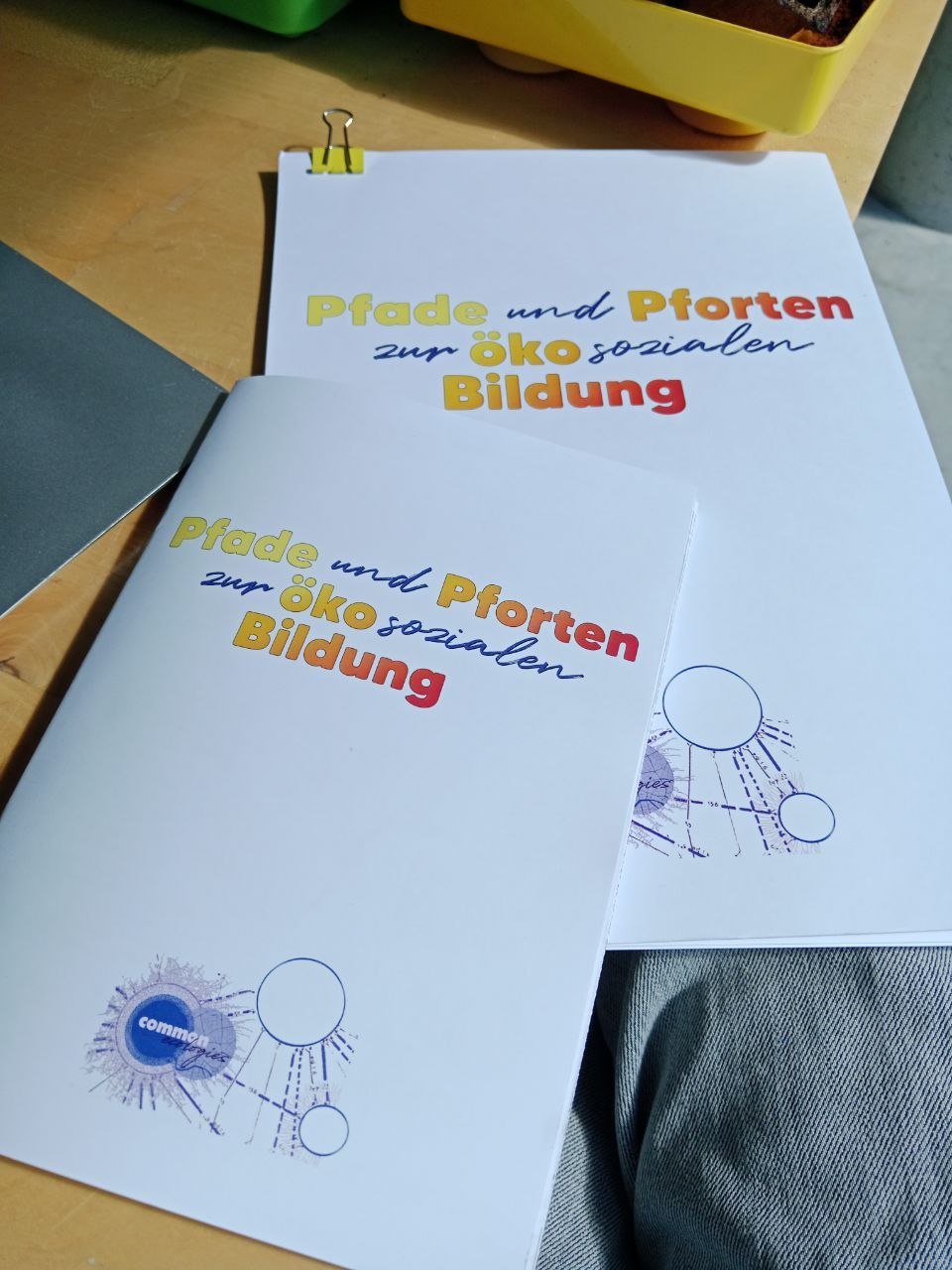
Pfade und Pforten zur Ökosozialen Bildung: das Buch!
Wie bringen wir ökosoziale Bildung und Gerechtigkeit in Schulen und ihr Umfeld? Hier findet ihr die deutsche Fassung unseres Buchs, als Pdf zum Klicken und selbst Ausdrucken!
-
Ways into Ecosocial Education: the book
See and download our Ways into Ecosocial Education guide, a print-at-home book for anyone wanting to bring ecosocial education and justice into schools and their environments!
-

Online Launch: Ways Into Ecosocial Education
Our guidebook to ecosocial education and justice is ready! Join our collective to see what it is and does, and how you can bring it to your community. Teachers, care-givers, activists, institutional actors and students: this is for you!
-

Autumn Gathering ’25 – Programme
Here you can find the programme of our gathering as it evolves – registrations now open!
-
Autumn Gathering ’25: The Politics of Affectedness
How to organize in a time of polycrisis? At this year’s Autumn Gathering, we’ll explore how strategies shaped around a “politics of affectedness” can guide us.
-
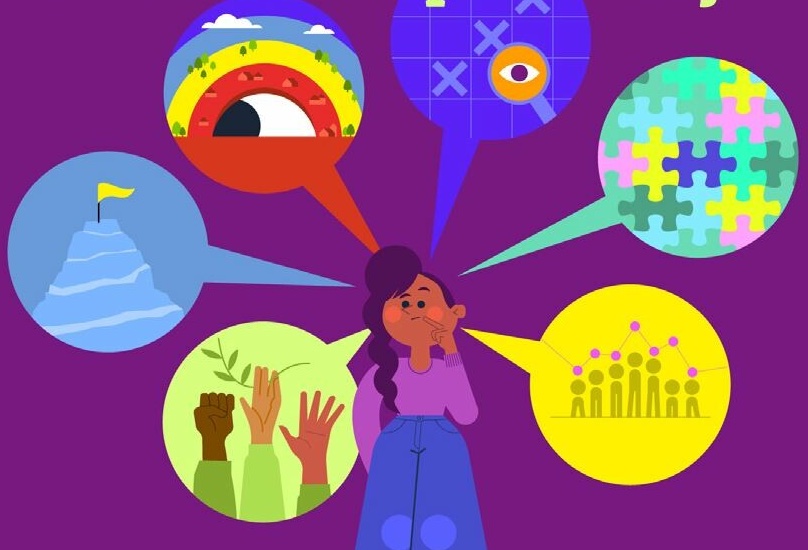
Open Classroom #4: Transforming Education – the Ecosocial Curriculum and Schools of FUHEM (ES/ENG)
Join our next Open Classroom where FUHEM, a Spanish eco-educational institution, will present their work on social justice, alternative economics, democracy and sustainability.
-

Open Classroom #2: Ecosocial Education Guide Sharing Session
Join our Open Classroom session on 27 Feb, 5-6:30 pm CET. Explore our draft guide on Ecosocial Education and share your insights. All are welcome!
-

Ecosocial education for all: 2024 videos
From teacher training and Solidarity Schools to campaigns for new curricula: a series of online fora on how to get ecosocial education into schools.
-

Towards Ecosocial Curricula: 2024 kickoff & agenda
We invite parents, teachers and students to join a process of collective conversations, learning and scheming about eco-social curricula in education.
-

“Building Agroecological Struggles” poster
A poster celebrating lively and interconnected movements and infrastructures.
