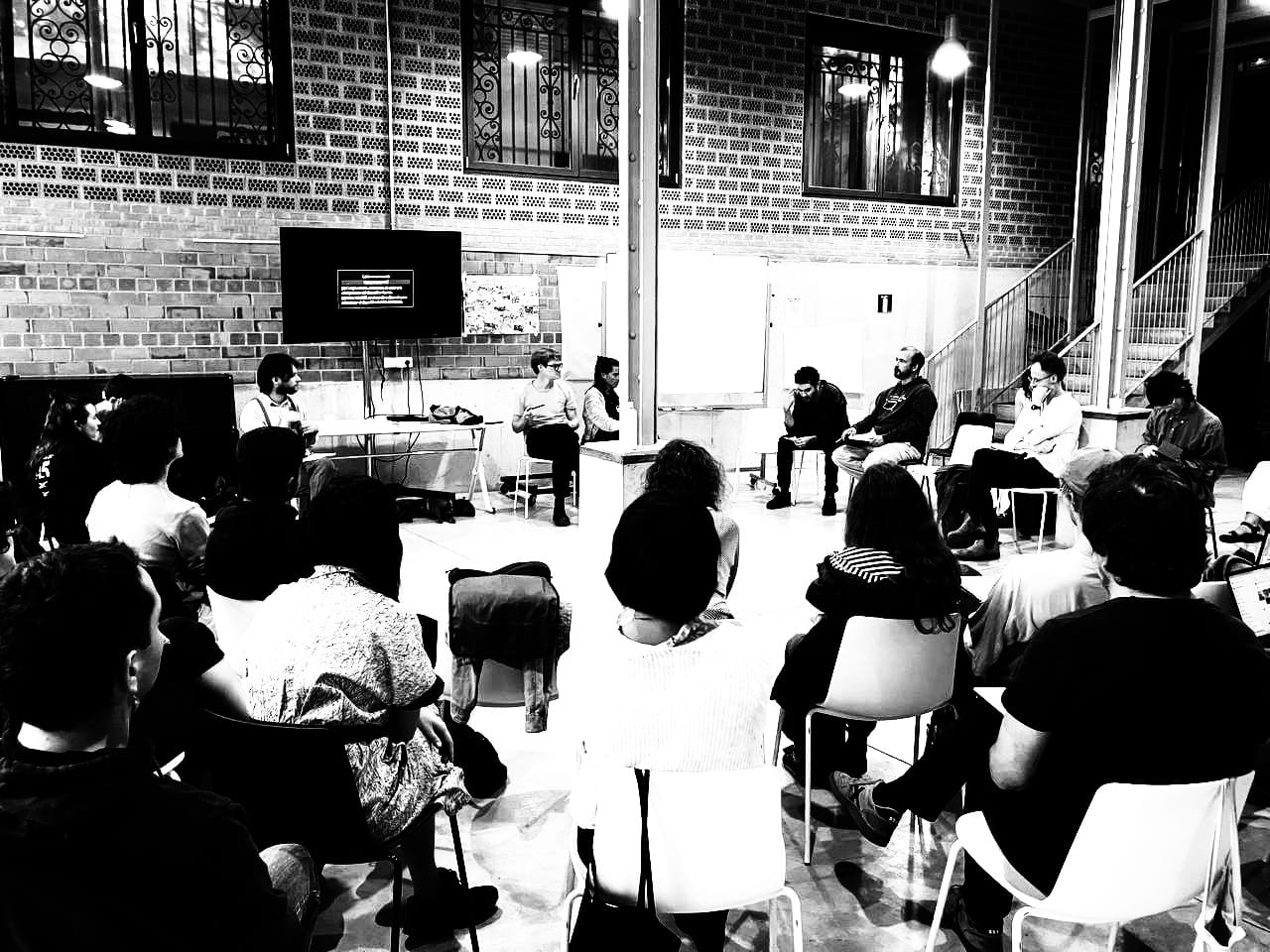
We’re looking back on a joyfully radical (radically joyful?) gathering in Barcelona with many compas to discuss how to organize in a time of polycrisis.
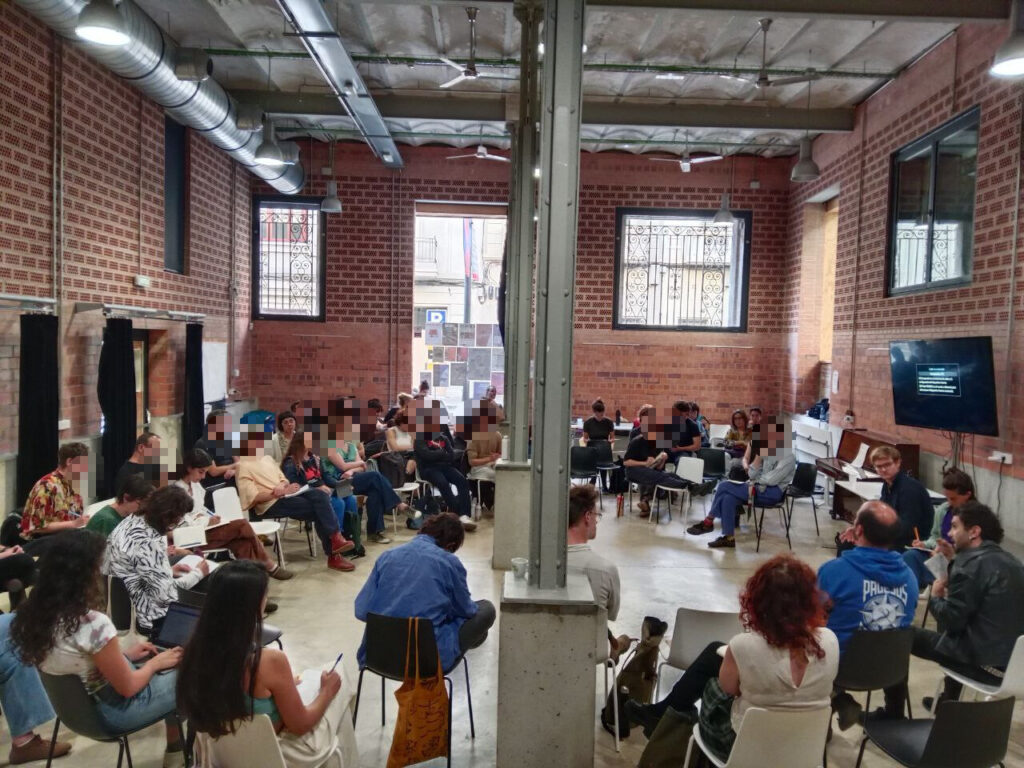
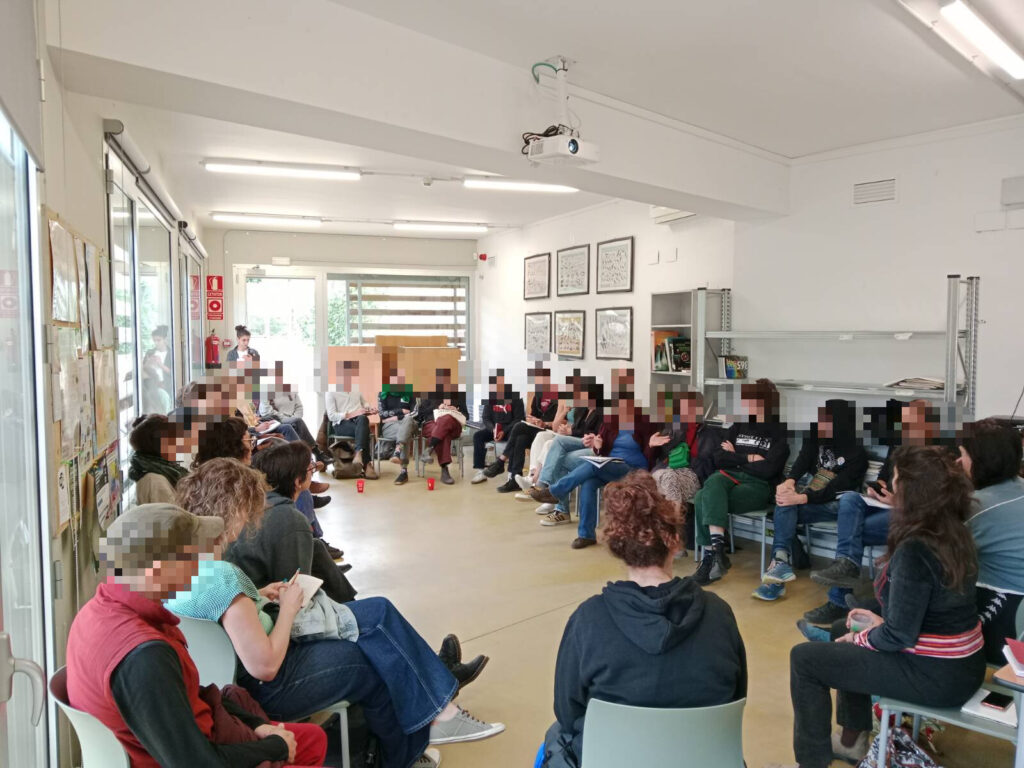
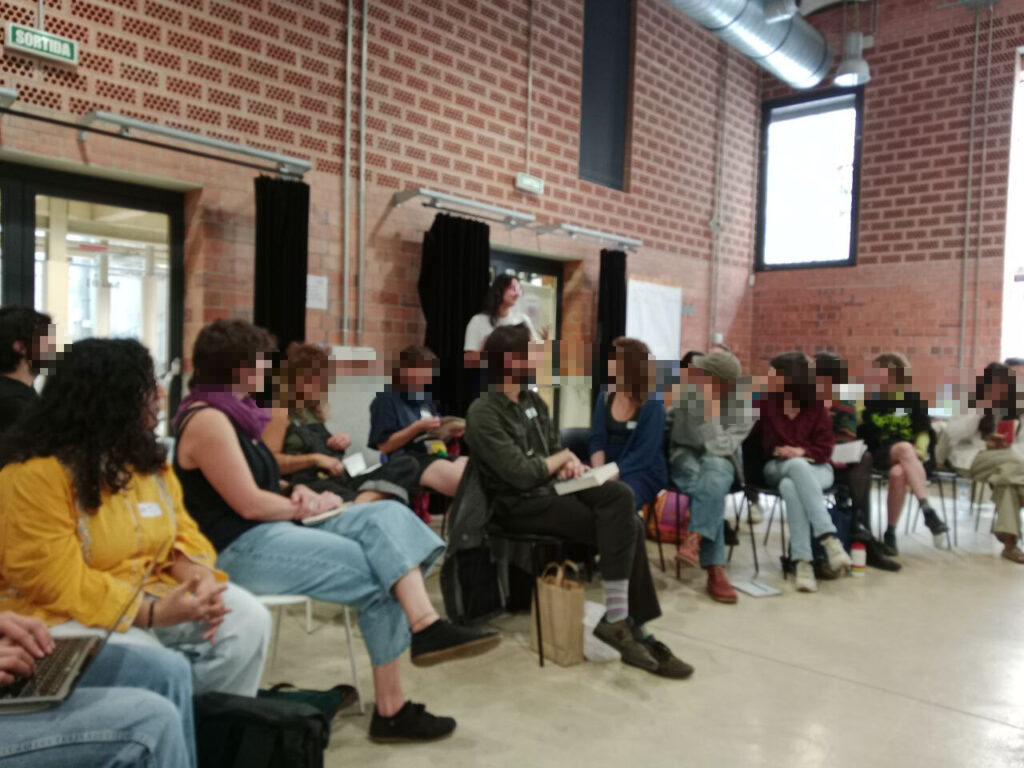
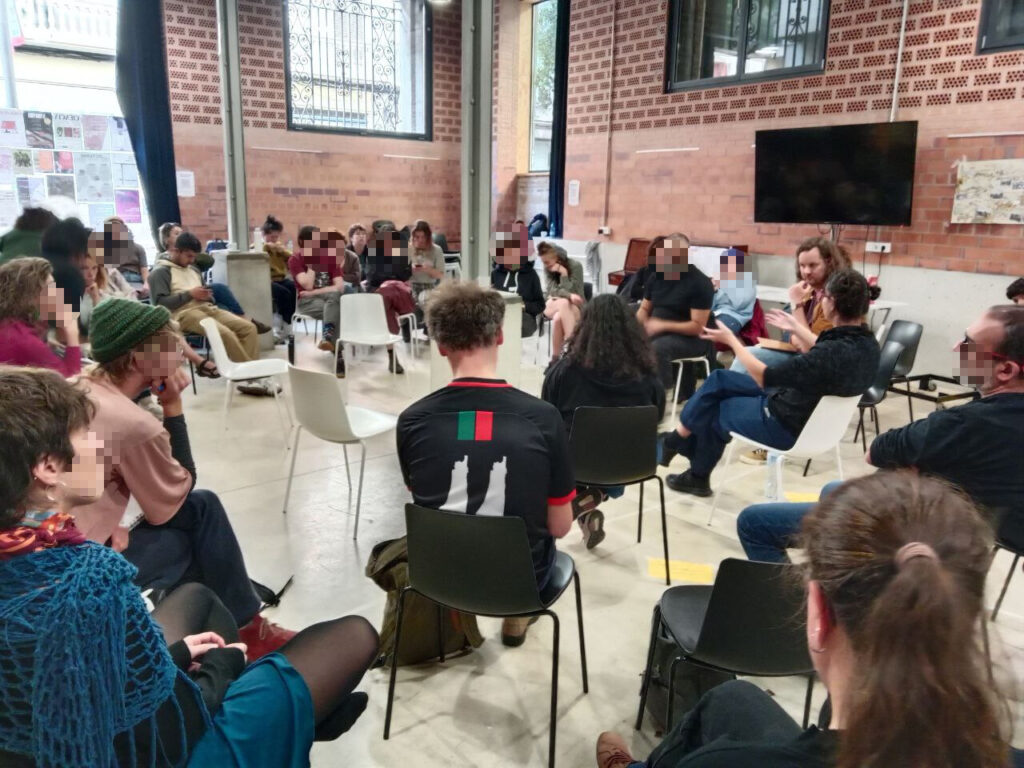
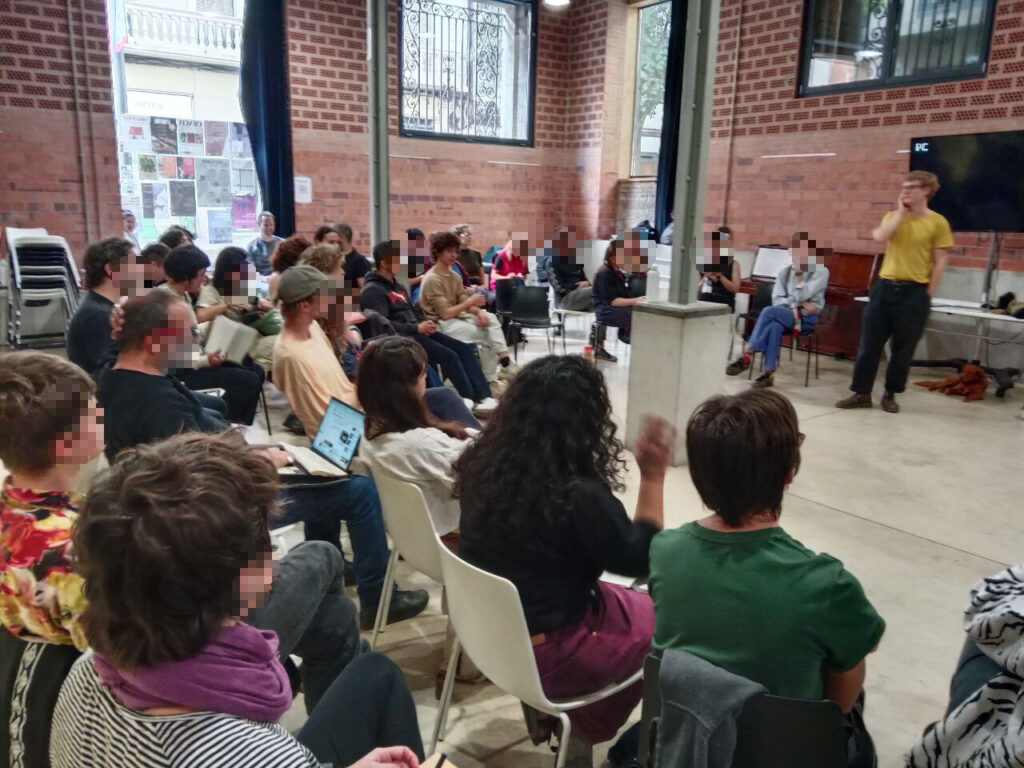
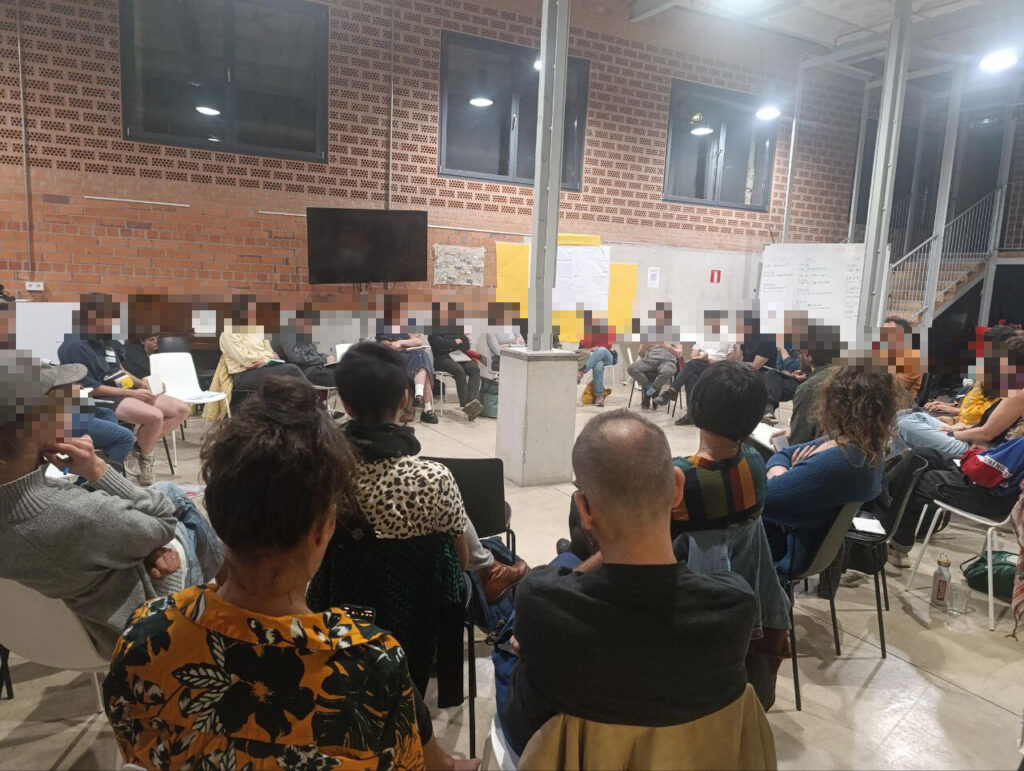
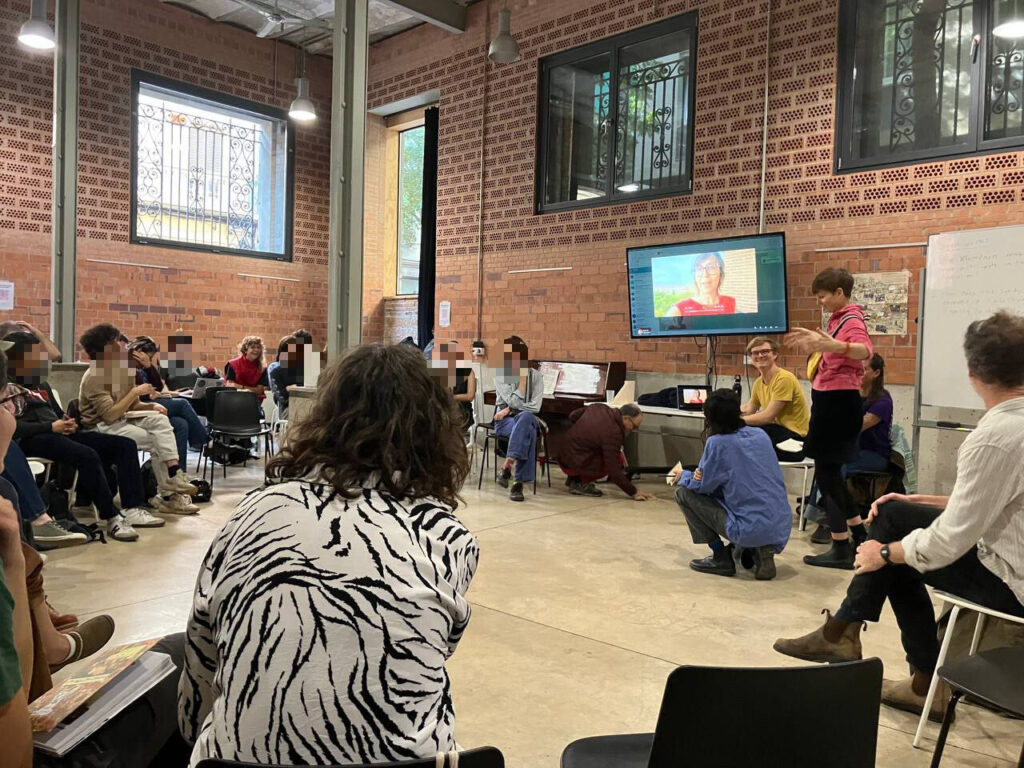
This year’s Autumn Gathering was a great success! For three days in late October, we gathered in Barcelona with many comrades—old friends, and new allies—from all corners of Europe, and beyond. We’re grateful, excited, and inspired to have facilitated the gathering of such a truly diverse crowd, both in terms of geographies and struggles. The framework of our conversations this year was the so-called Politics of Affectedness, and how this concept can serve as a strategic lens to help us understand the world around us, and give direction to our organizing efforts in a time when political polarization seems nearly impossible to bridge. What if we’d build alliances not based on ideology or identity, but based on the many different ways in which we’re all affected by war, climate catastrophe, rising costs, deadly borders, technofixes, and so on?
The compounded climate and ecological crisis is becoming more concrete every day. While it affects all of us differently, we’re all starting to “feel it” in our everyday lives: rising food and energy costs, rent increases, water scarcity, deadly heat, psychological stress, physical illness, displacement, conflict, and wars. Disaster, decline, and the wars and profiteering they give rise to are forcing us to look for new horizons for movement organising, one based on the politics of affectedness.
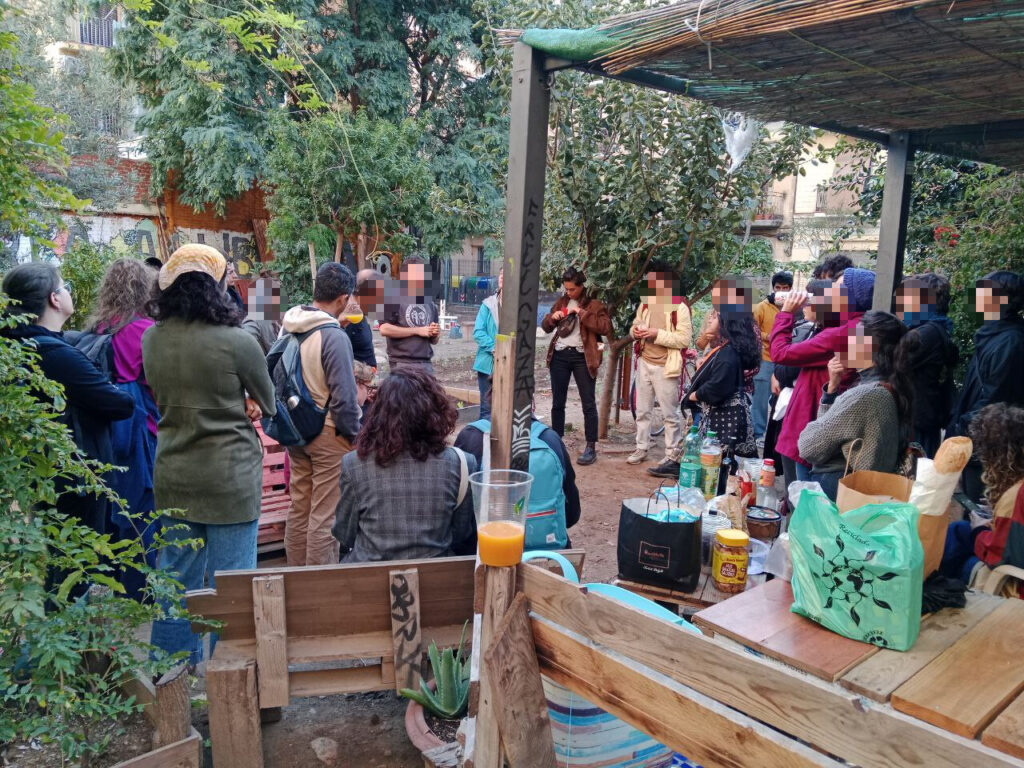
Our gathering took place in Barcelona, and we organised it in collaboration with local allies, such as the fabulous IDRA cooperative, who have first-hand experience of how the politics of affectedness has shaped and influenced the many waves of social syndicalism that Spain has seen in the past decade. A big thank you to our compas from IDRA, the Lleialtat Santsenca neighbourhood center, the Aula Ambiental Vallcarca, the Horta Alliberada in Sants, the Entrar Afuera public health collective, and the good people of Som barri in Vallcarca (who just won their legal battle against the urban development plan!). We learned so much from these local experiences that were so generously shared with us and explained to us. The fertile ground Barcelona offers for activism and organising absolutely resonated with us, and we hope that the wealth of stories, experiences, dreams, and hopes we brought with us from abroad, in turn, also planted some seeds in the local ecosystems.
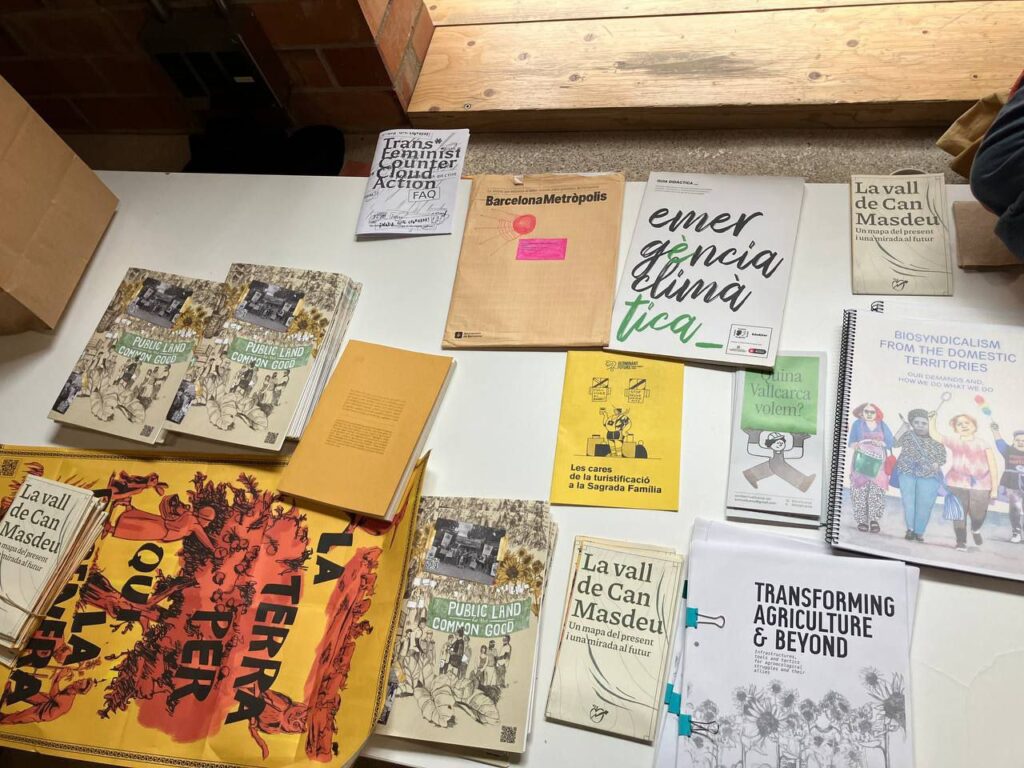
We had between fifty and seventy people from over twenty different countries participate in our sessions. We heard stories and learned from the struggles of many different movements and situations: from fisherfolk in Pakistan to farmers in Lebanon, from transfeminist No Border work in Poland to public-commons peasant struggles in the UK, and from ecosocial pedagogies and educational hacking to bio/eco/social syndicalism. It was, without a doubt, a beautiful hotpot of different minds, bodies, generations, and approaches—we’re very grateful for the generosity and kindness everyone brought to this. There was plenty of capacity for listening and understanding different positions and perspectives, which gives us hope for the future of all our common politics and the movement ecologies we are nurturing.
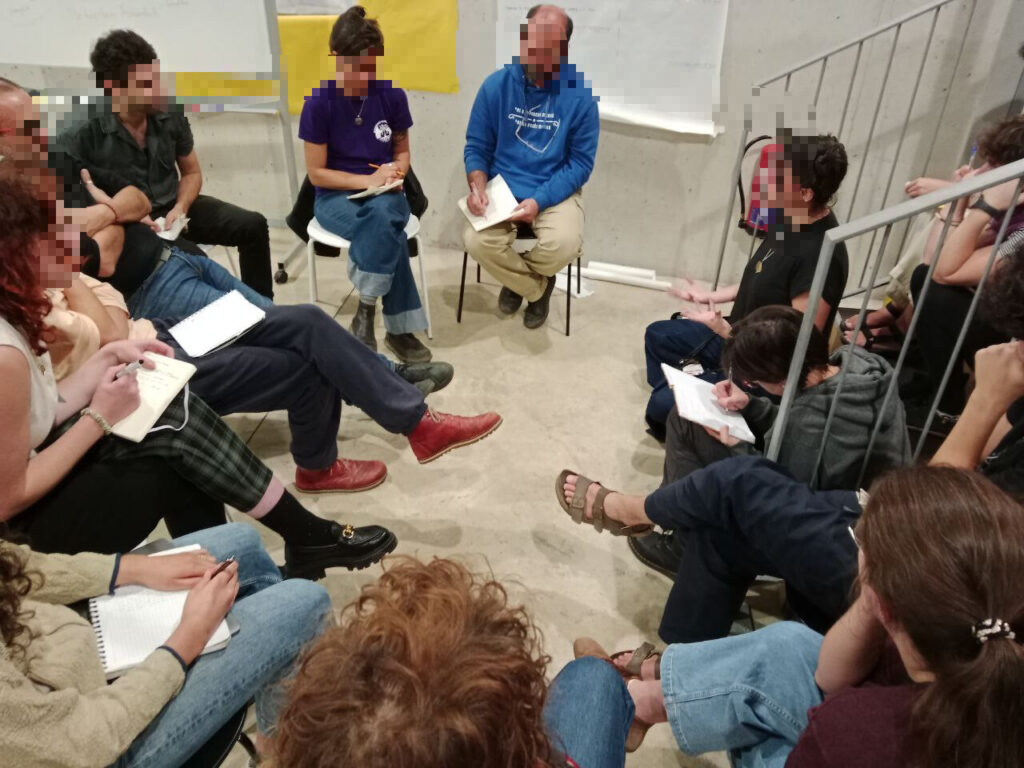
It felt very meaningful to us that small intra-regional debates were held across different sessions: this was in no small part thanks to the fact that we were able to offer travel grants to participants due to the support from the Guerrilla Foundation. We learned from disagreements as much as from agreements, across our regions and areas of work and organising. It was also particularly special for us to see our three working strands come together and for conversations and learning to happen across them, in person, and in the broader community.
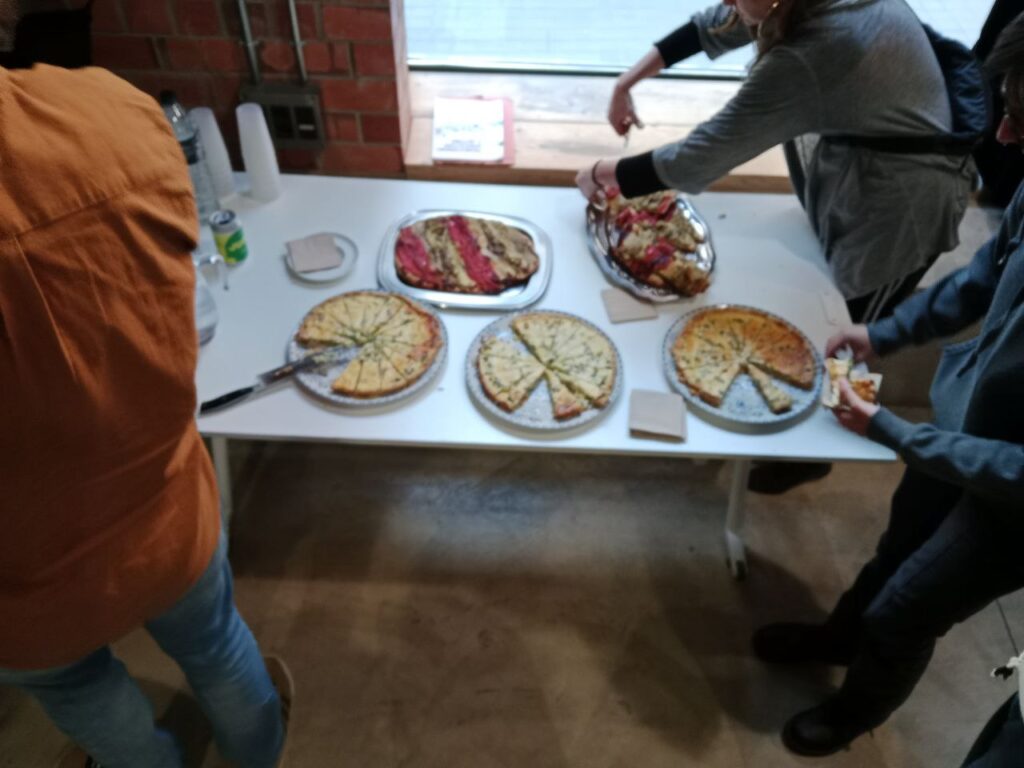
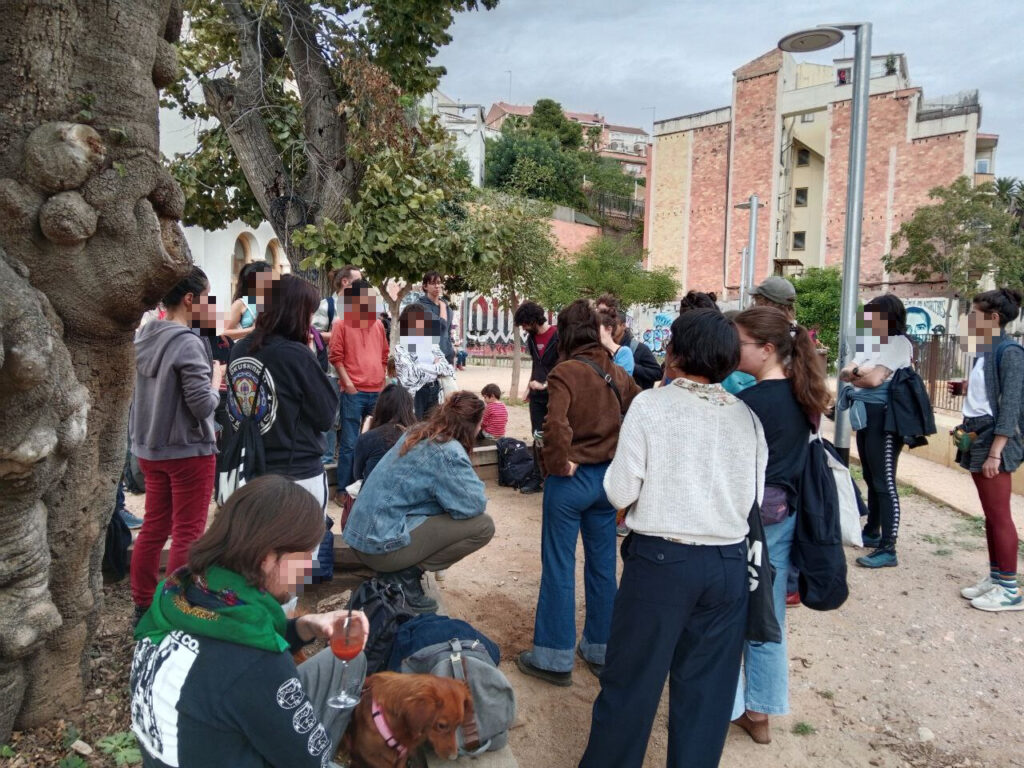
We thoroughly enjoyed the conversations, exchanges, excursions, and those precious in-between moments. Our main sessions took place in the Lleialtat Santsenca community-managed municipal space, and in the municipal Aula Ambiental eco-education spaces in Vallcarca. We were taken on little tours around the Sants and Vallcarca neighbourhoods by local activists involved in struggles for housing and the commons. Those visits were very much about seeing a politics of affectedness in practice, with the careful and long-term organising work this takes.
You can find our programme here. As usual, we didn’t include the names of any of the speakers, because we want to avoid a politics of name and fame, and because we keep including and rejigging sessions based on who signs up and sometimes even who shows up unexpectedly: our gatherings aren’t conferences but confluences where it’s all about composition and being able to respond and co-shape.
For some deeper thoughts on the politics of affectedness and how to build agency from “feeling it,” check out this piece in the Berliner Gazette. For more visual impressions of the gathering, see our social media reels.